
Owls are among the most fascinating and important birds in the natural world. Often active during the night and rarely seen by people, these remarkable birds play a crucial role in maintaining healthy ecosystems. Despite their quiet nature and mysterious reputation, owls are essential allies in protecting biodiversity and supporting the balance of nature. Their presence in forests, woodlands, grasslands, and agricultural landscapes contributes significantly to environmental health and sustainability.
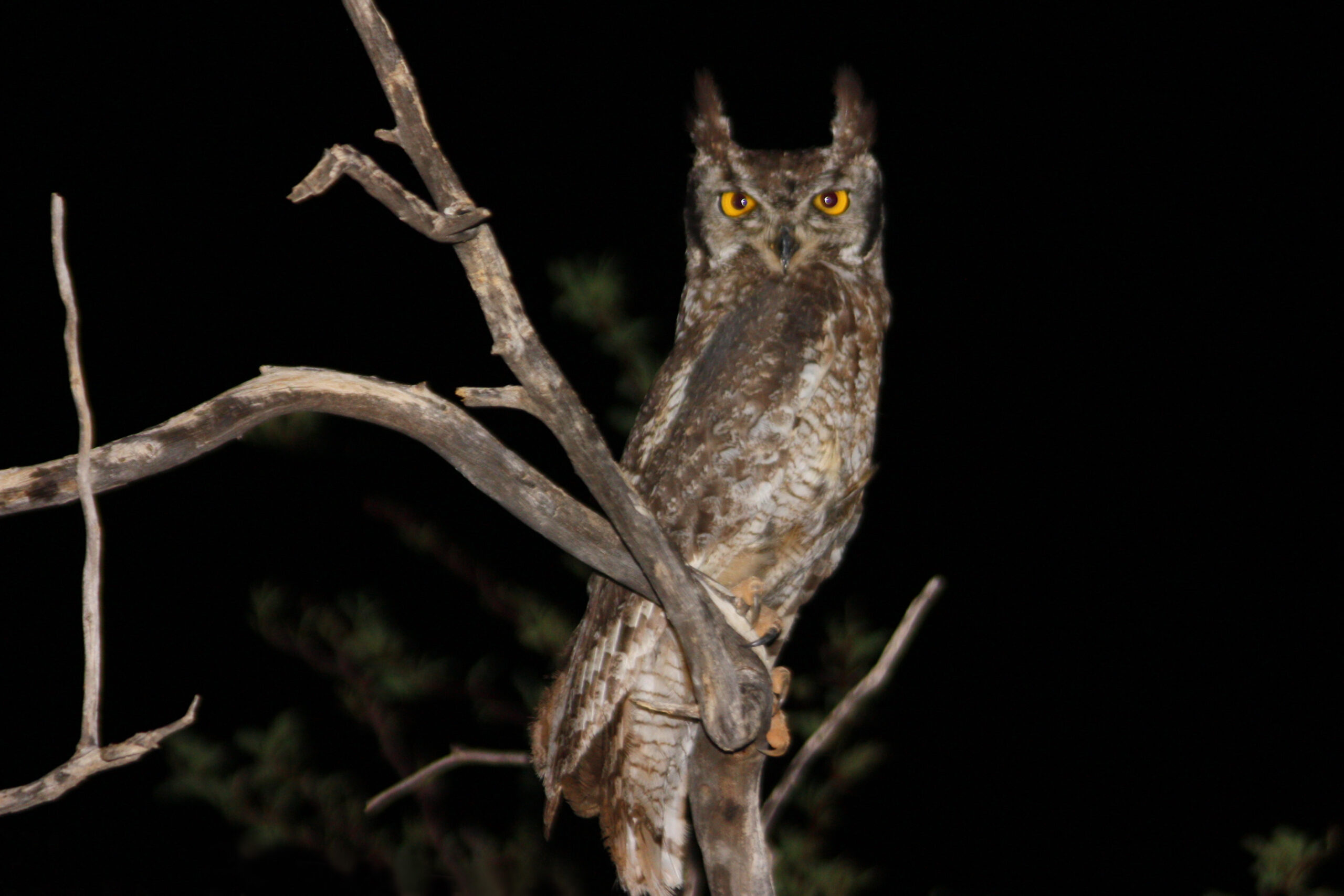
One of the most important ecological functions of owls is their role as natural predators. Owls primarily feed on rodents, insects, and other small animals that can become agricultural pests when their populations grow unchecked. By controlling these populations, owls help reduce crop damage, limit the spread of certain diseases, and maintain a balanced food web. This natural form of pest control benefits farmers, communities, and ecosystems alike, reducing the need for harmful chemical pesticides.
Owls also serve as important indicators of environmental health. Because they are highly sensitive to changes in their surroundings, the presence or absence of owl populations can provide valuable information about the condition of local ecosystems. Healthy owl populations often indicate that habitats are functioning well and supporting a diverse range of plant and animal species. Conversely, declining owl numbers may signal environmental problems such as habitat loss, pollution, or ecosystem degradation.
In Tanzania, owls inhabit a variety of ecosystems, including forests, woodlands, wetlands, and coastal habitats. These environments provide essential nesting, roosting, and hunting areas that allow owl populations to thrive. However, increasing pressure from deforestation, land conversion, and human activities threatens many of these habitats. As natural areas shrink, owl populations face greater challenges in finding suitable places to live and reproduce.
Unfortunately, owls are also among the most misunderstood birds. In some communities, cultural myths and superstitions have created negative perceptions that associate owls with bad luck or misfortune. These beliefs can lead to fear, persecution, and the destruction of owl habitats. Promoting awareness and understanding is therefore a critical part of conservation efforts. By helping people recognize the ecological value of owls, conservation organizations can foster greater appreciation and support for their protection.
The Tanzania Owl Conservation Initiative (TOCI) is committed to safeguarding owl species and their habitats through research, education, community engagement, and advocacy. By studying owl populations, restoring habitats, and working closely with local communities, TOCI aims to ensure that these important birds continue to thrive in Tanzania’s landscapes. Conservation efforts not only benefit owls but also strengthen ecosystem resilience and support broader biodiversity goals.
Protecting owls means protecting the health of our ecosystems. As silent guardians of the night, owls provide invaluable ecological services that benefit both nature and people. Through increased awareness, habitat conservation, and community participation, we can help ensure that future generations continue to enjoy the presence of these remarkable birds and the ecological balance they help maintain.

TOCI works to conserve Tanzania’s owl species and their habitats through scientific research, education, and community-based conservation that promotes coexistence between people and wildlife