
Owls are an important part of Tanzania’s biodiversity, playing a vital role in maintaining ecological balance by controlling rodent and insect populations. Despite their ecological importance, many owl species face increasing threats that put their survival at risk. Human activities, habitat loss, and cultural misconceptions continue to impact owl populations across the country, making conservation efforts more important than ever.
One of the greatest threats facing owls in Tanzania is habitat destruction. Rapid deforestation, agricultural expansion, urban development, and unsustainable land-use practices have led to the loss and fragmentation of forests, woodlands, and other natural habitats where owls live, hunt, and breed. As suitable habitats disappear, owl populations become more vulnerable, and their ability to thrive is significantly reduced.
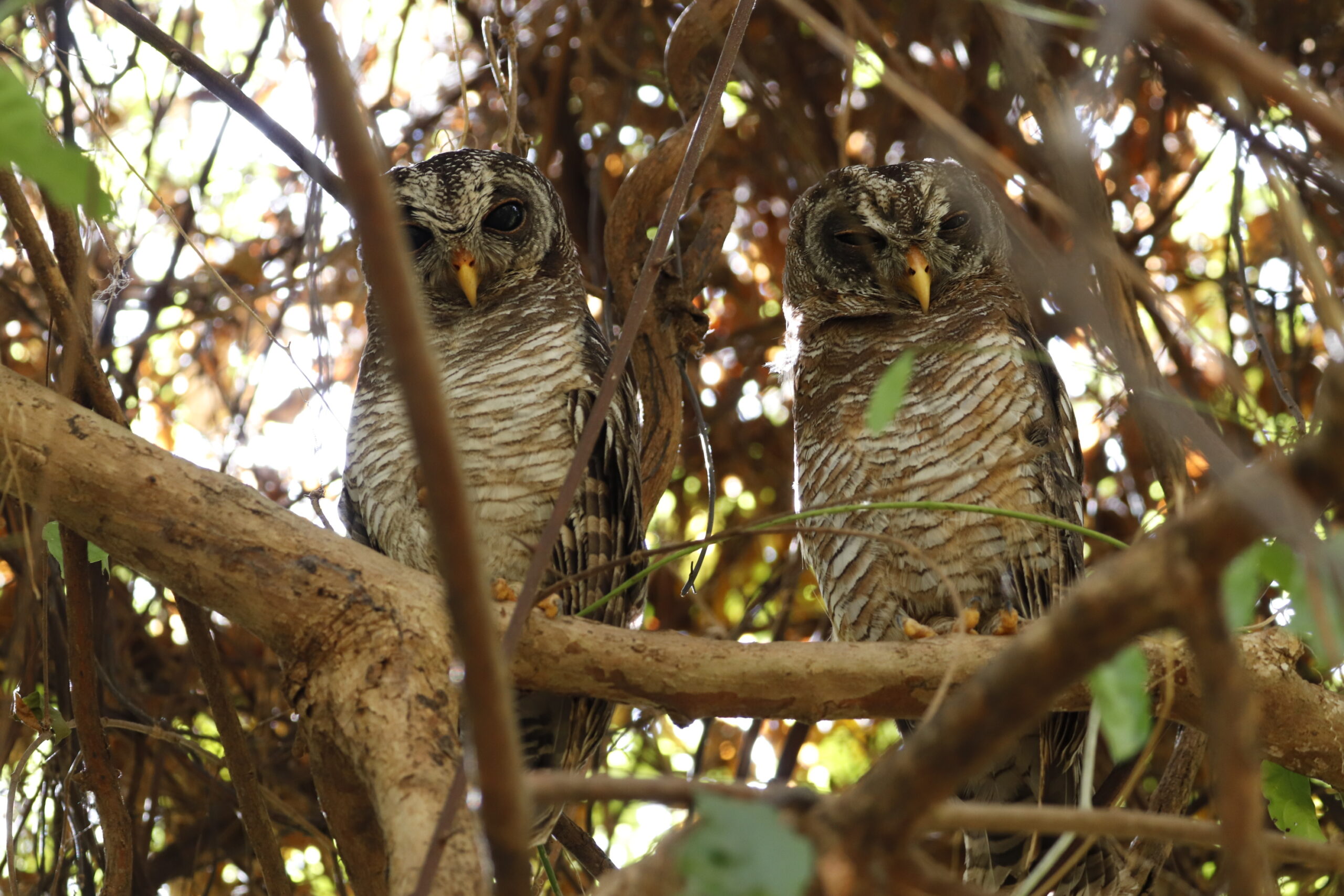
Another major challenge is the persistence of cultural myths and superstitions surrounding owls. In some communities, owls are associated with bad luck, witchcraft, or misfortune. These beliefs can lead to fear and negative attitudes toward owls, resulting in persecution, deliberate killing, or the destruction of nesting sites. Such actions not only threaten owl populations but also undermine efforts to promote wildlife conservation and environmental stewardship.
Owls also face risks from human-wildlife conflict, environmental pollution, and accidental injuries. Road accidents, pesticide use, and disturbances caused by human activities can negatively affect owl populations and their habitats. Injured or displaced owls often require rescue and rehabilitation to survive and return safely to the wild.
Addressing these challenges requires a collaborative and long-term approach. Conservation efforts must focus on protecting and restoring critical habitats, conducting scientific research to better understand owl populations, and promoting sustainable environmental practices. Equally important is community engagement and education, which help dispel misconceptions, build awareness, and encourage local participation in conservation activities.
At the Tanzania Owl Conservation Initiative (TOCI), we work to protect owl species through research, habitat conservation, rescue and rehabilitation programs, and public education campaigns. By partnering with communities, government agencies, researchers, and conservation organizations, we aim to create practical solutions that benefit both people and wildlife.
Everyone has a role to play in owl conservation. Supporting environmental education, protecting natural habitats, reporting injured wildlife, and promoting positive attitudes toward owls can all contribute to their survival. Through collective action and increased awareness, we can help ensure that Tanzania’s owl species continue to thrive and contribute to healthy ecosystems for generations to come.

TOCI works to conserve Tanzania’s owl species and their habitats through scientific research, education, and community-based conservation that promotes coexistence between people and wildlife